






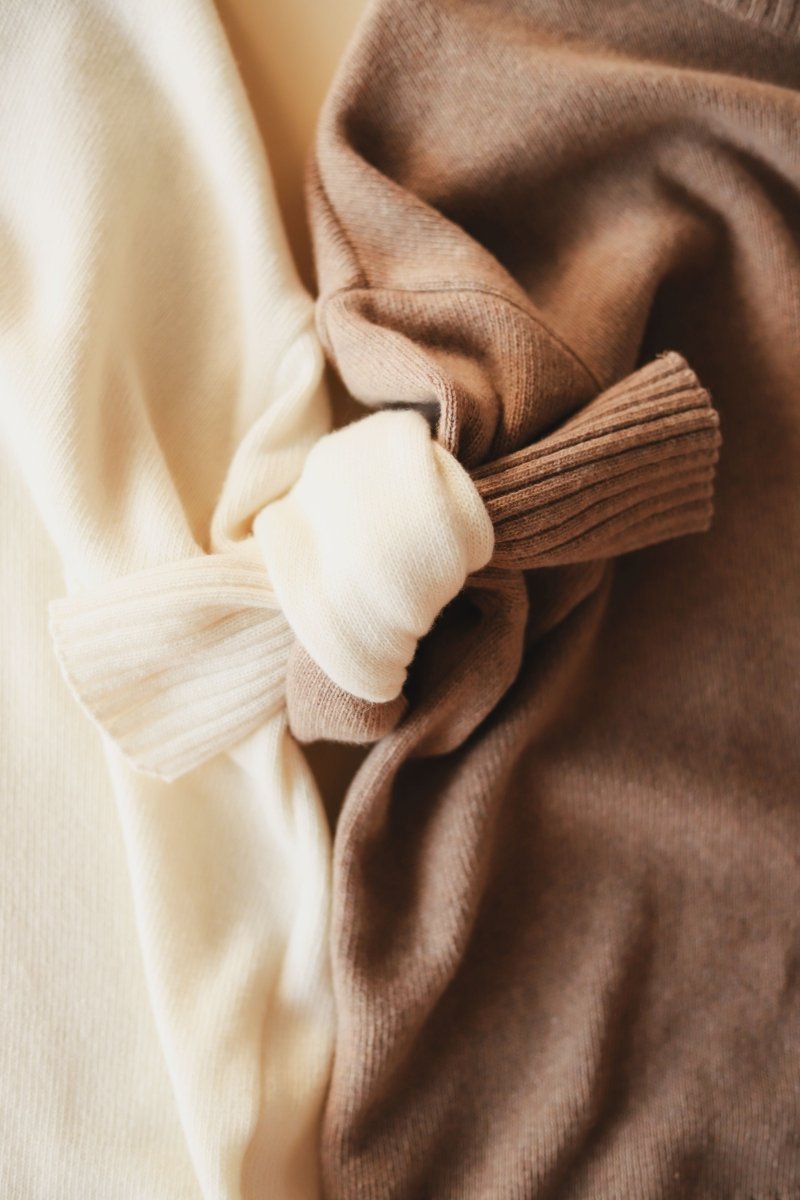


A well-made wool coat is designed to stay with you for years. Wool is a natural, durable and self-regulating fibre, but even the finest wool benefits from thoughtful care.
From giving your coat time to rest to preventing pilling and storing it correctly, a few simple habits can help preserve its shape, softness and beautiful appearance season after season.
Here is our guide to caring for your wool coat.

1. Let Your Wool Coat Rest
Try to avoid wearing your wool coat day after day.
Natural wool fibres benefit from time to recover after wear. Giving your coat approximately 24 hours of rest allows the fibres to regain their natural shape and helps the garment maintain its structure for longer.
Whenever possible, alternate between coats rather than wearing the same one every day.

2. Avoid Friction to Prevent Pilling
Friction is one of the main causes of surface wear and pilling on wool coats — and it can happen even with high-quality natural wool.
Pay particular attention to areas that regularly come into contact with:
- shoulder and crossbody bags
- car safety belts
- backpacks
- accessories that repeatedly rub against the same area
Reducing repeated friction will help keep the surface of your coat smooth and beautiful for longer.

3. Let Wool Air Naturally
One of wool's wonderful natural qualities is its ability to regulate moisture and odours.
Instead of washing your coat after wearing it, allow it to air naturally in a well-ventilated space. This helps release absorbed moisture and everyday odours while allowing the fibres to recover.
Avoid artificial drying or placing your coat close to a radiator or another direct heat source.
A soft garment brush can also be used gently to remove surface dust and refresh the fabric.

4. How to Store a Wool Coat Properly
Correct storage is particularly important for maintaining the shape of a wool coat.
Always hang your coat on a wide, shaped hanger that properly supports the shoulders. Avoid thin hangers, which can distort the shoulder line over time.
Keep your coat in a dry, well-ventilated wardrobe, away from direct sunlight and heat.
Before storing your coat for a longer period, make sure it is clean and protected from moths.

5. How to Clean a Wool Coat
Do not wash your wool coat at home.
We recommend professional dry cleaning only, always following the specific instructions on the garment's care label.
Wool does not need frequent cleaning, so dry-clean your coat only when necessary and before long-term seasonal storage.

6. How to Remove Pilling from a Wool Coat
Some pilling can naturally occur when fine wool fibres are exposed to friction. This does not mean that the wool is poor quality — it is a natural characteristic of fine fibres.
Never pull pills away by hand or aggressively rub the fabric, as this can damage the surface and pull out the fibres.
Light pilling can be carefully removed using a fabric shaver suitable for wool. Lay the garment on a flat surface and gently move the fabric shaver over the affected areas without applying too much pressure.

In the video below, we show how to safely remove pilling and refresh the surface of your wool garment step by step.
For more noticeable pilling or if you are unsure how to treat the fabric, we recommend consulting a professional dry cleaner or tailor.
Watch the video below to see how we do it at BeaA.
A Little Care Goes a Long Way
Caring for a wool coat doesn't need to be complicated. Let it rest, minimise friction, allow the fibres to air naturally and store it properly.
These small habits can make a significant difference in how your coat looks and feels over time.
Treat it gently. Let it rest.
A cared-for coat will keep you company for years.


